


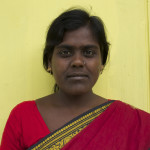
The Dumadi Sub-health centre of Khayramari Panchayat, Murshidabad district in West Bengal operated from a small, rented room. Jayanti Sarkar, the Auxiliary Nurse Midwife (ANM) of the centre reveals that they cater to over 7,000 patients of the region sans electricity, water facilties or proper waste disposal. "We had approached the Block Health Officer. They provided funds for the centre but the land prices here are too high. So we are unable to find land to build a centre," reveals Jayanti
A sub-centre is the most peripheral and first contact point between the primary health care system and the community in the Indian rural health infrastructure. Each sub-centre is supposed to be manned by one Auxiliary Nurse Midwife, one female health worker and one male health worker. Sub-centres play an instrumental role in bringing about behavioural change and provide services in relation to maternal and child health, basic immunisation, check-ups and communication diseases programmes.
Fighting for Change: The Story of Bihar-Based Journalist Amir Abbas
Inspiration can come from many sources, but one of the most powerful is seeing someone walk the path before you. Our Community Correspondent, Syed Amir Abbas found his inspiration in Stalin K., the founding director of Video Volunteers. “I met Stalin at VV’s national meet in 2017 and I...
The torch bearer of rights for marginalized tribals of Odisha
If you ask Video Volunteers’ Community Correspondent Bideshini Patel to rate her childhood on a scale of 1-10, she would probably give it a negative marking due to the neglect and abuse she faced. But if you ask her to evaluate her professional life as an impactful journalist, resolving basic...