

10th March 2015| Salahpur Panchayat, Uttar Pradesh | Chanda Bharti
The Mahatma Gandhi National Rural Employment Guarantee scheme, responsible for providing millions of Indians employment opportunities, has a special mandate to provide jobs for women. This emphasis is a bold move to tackle inequality women face, both in terms of access to work as well as the wages they receive. Under MGNREGA, both women and men are to receive equal wages. At all times at least 33 per cent of the beneficiaries must be women.
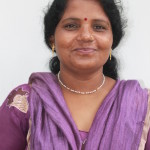
Community Correspondent Chanda Bharti found that at least 15 women from Salahpur Panchayat in Uttar Pradesh's Pratapgarh District had not worked under MGNREGA for four years. In the absence of this work the women are compelled to go to far off farms to work or worse, remain unemployed. Chanda Bharti is now in the process of taking their grievances to higher level authorities so that they too can benefit from the scheme.
It is worth noting that the general trend of the participation of women in MGNREGA is an upward one-- it has risen from 40% in 2006-07 to 53% in 2013-14. Not many states however fulfil the criteria of 33% participation. In Uttar Pradesh only 22% of the beneficiaries were women during 2013-14. Surveys conducted with women who have worked under MGNREGA suggest that women do indeed feel that they have greater decision making powers while collecting and spending the money they earn from MGNREGA employment.
You can ensure that Urmila and 14 other women start to benefit from MGNREGA. Pick up the phone and make this call today!
CALL TO ACTION: Call the Block Development Officer on 09838211065 and ask him to ensure that these women receive employment immediately.
Impact Story
The happiness that comes with an yearly bonus
This video is a story of success, a story of a small win against a giant corporation. A story of persistence and a never-say-die attitude. This year, the workers of 3 gardens in the Alipurduar area of Kumargram Block, received a slightly increased yearly bonus, an increase of 3%, from...
No Cards
Yashodhara – A salve for the social injuries of the Dalits in Mumbai’s slums.
Yashodhara Salve’s style of community journalism has led to Dalit women marshalling against atrocities they faced, women standing up against traditions that exile them from society and women going on camera to demand education for their daughters which is a basic right. The 38-year old Community Correspondent grew up in...