


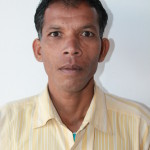
Video Volunteers’ community correspondent Mohanlal Seelu brings to us this video report from the interiors of Madhya Pradesh.
Madanlal Baithe, a construction worker, employed by a company building railway bridges had a harrowing experience reaching his village and spending time in a quarantine facility in Betul, Madhya Pradesh.
Baithe and other workers had little help from the company. For the most part of their journey, they either walked for several hours or hitchhiked in trucks to reach their village Kacahlora in Amdhana panchayat.
Once they reached, the food they received was not enough for their group and it got over within a day. Rest of the six days of the quarantine was spent surviving on food from their homes. For water, they were dependent on passersby as the panchayat had barred them from using the nearby hand pump.
Though their temperature was checked, they were not tested for the infection upon arrival. No doctor or health department official from the state was on site to arrange for their testing.
Six days after their arrival, the health department said they could go and live in their own houses. This is apparently not the standard operating protocol.
If this is the state of quarantine centres, why wouldn’t those living in one run away in search of better facilities?
Fighting for Change: The Story of Bihar-Based Journalist Amir Abbas
Inspiration can come from many sources, but one of the most powerful is seeing someone walk the path before you. Our Community Correspondent, Syed Amir Abbas found his inspiration in Stalin K., the founding director of Video Volunteers. “I met Stalin at VV’s national meet in 2017 and I...
“Video Volunteers gave me a platform to go the extra mile for people”
Avijit Adhikary is a journalist with nearly 8000 days of field experience till date. In the past two decades, he has witnessed the ebb and flow of the media industry in India, with ripples felt in his region too. This includes the rise of digital media, the decline of print...