


Video and Social Change
Video and Social Change
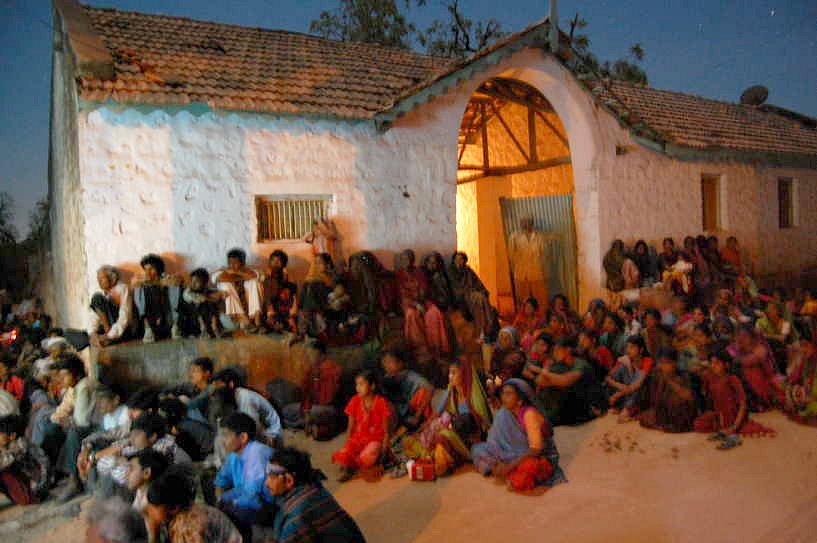 Around the world, video is being used as a powerful tool for providing community voice and social change. The cost of a camera has plummeted from $100,000 US ten years ago to less than $500 today. Suddenly, changemakers around the world can shoot high-quality video, and distribute it globally via the Internet. By offering NGOs cost-effective training and models of video production, Video Volunteers aims to make video a ubiquitous tool in the work of social change.
The Power of Media
Community-based communications is key to empowering communities to participate and to lead social change in their communities. It is also critical for giving the disadvantaged a voice in the global decisions that affect their lives.
Video is a particularly powerful tool in social change because:
- It communicates in the medium most appealing to people today.
- It breaks the literacy barrier.
- It is the most cost-effective way to reach large numbers of people if distributed strategically.
- It expands an NGOs’ reach and scale.
- It promotes behavior change.
- TVs and films are present in nearly every village on the planet.
- It is a powerful tool in education, fundraising, networking and advocacy.
- It gives a voice to the poor to communicate their needs and knowledge to the outside world.
- It provides a platform to demand accountability and transparency from those in power
- It acts as a forum for communities to discuss critical but unspoken social issues.
- It encourages ‘people’s led development’, where the call for change is coming from within the community.
- It develops grassroots leaders and communicators.
- It provides livelihoods.
